For several years, academic research work dedicated to Prader-Willi Syndrome has benefited from the involvement of different stakeholder associations committed to supporting research.
For several years, academic research work dedicated to Prader-Willi Syndrome has benefited from the involvement of different stakeholder associations committed to supporting research.
“OT4B was born, above all, from a deeply-held belief: that the joint involvement of families, clinicians and researchers can make a real difference to the outcome of patients with Prader-Willi Syndrome. This is what continues to drive my day-to-day commitment.”
— François Besnier, co-founder of OT4B, co-founder and former president of Prader-Willi France, member of the IPWSO board
“Patient organizations and patients play an active role in identifying needs and spreading knowledge about Prader‑Willi Syndrome. Their involvement contributes directly to guiding research priorities and management approaches. In this way, OT4B brings patients’ voices to the heart of its development activities, making them a fundamental part of its decision-making. This involvement is also reflected in the company’s governance, as a differentiating factor in the way OT4B makes and manages its decisions.”
— Caroline Richard, Chief Patient Advocacy Officer, OT4B
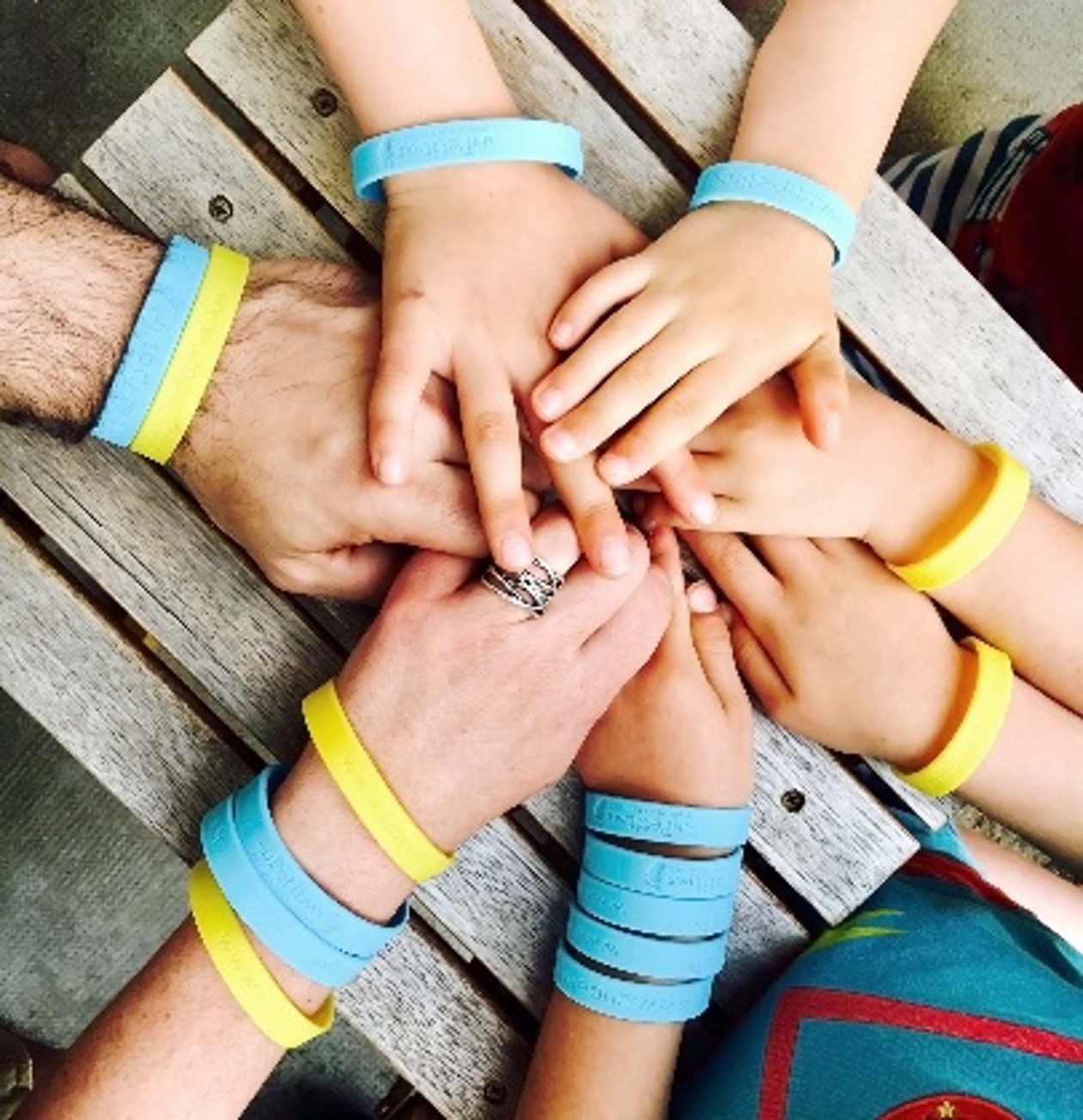
Prader-Willi France plays a fundamental role in supporting and financing academic research, and particularly the work of Pr Maithé Tauber at Toulouse University Hospital.
Building on this academic research and to support its continuation within a structured framework, OT4B was founded in 2017 with the scientific support of academic research teams. Since its creation, OT4B has therefore conducted its activities within an ecosystem that brings together academic research, nonprofit organizations, and scientific expertise, whilst maintaining compliance with the regulatory framework applicable to health products under development.

OT4B actively supports the IPWSO (International Prader-Willi Syndrome Organisation) and the FPWR (Foundation for Prader-Willi Research). These organisations contribute to structuring research projects and circulating scientific and institutional data to improve research and management of this rare disease.
In particular, OT4B supports IPWSO’s free diagnostic testing programme. This programme is aimed at families from countries where genetic diagnostic tests are not currently available locally. IPWSO has been running this project since 2003 and to date has funded over 500 tests received from 47 different countries.